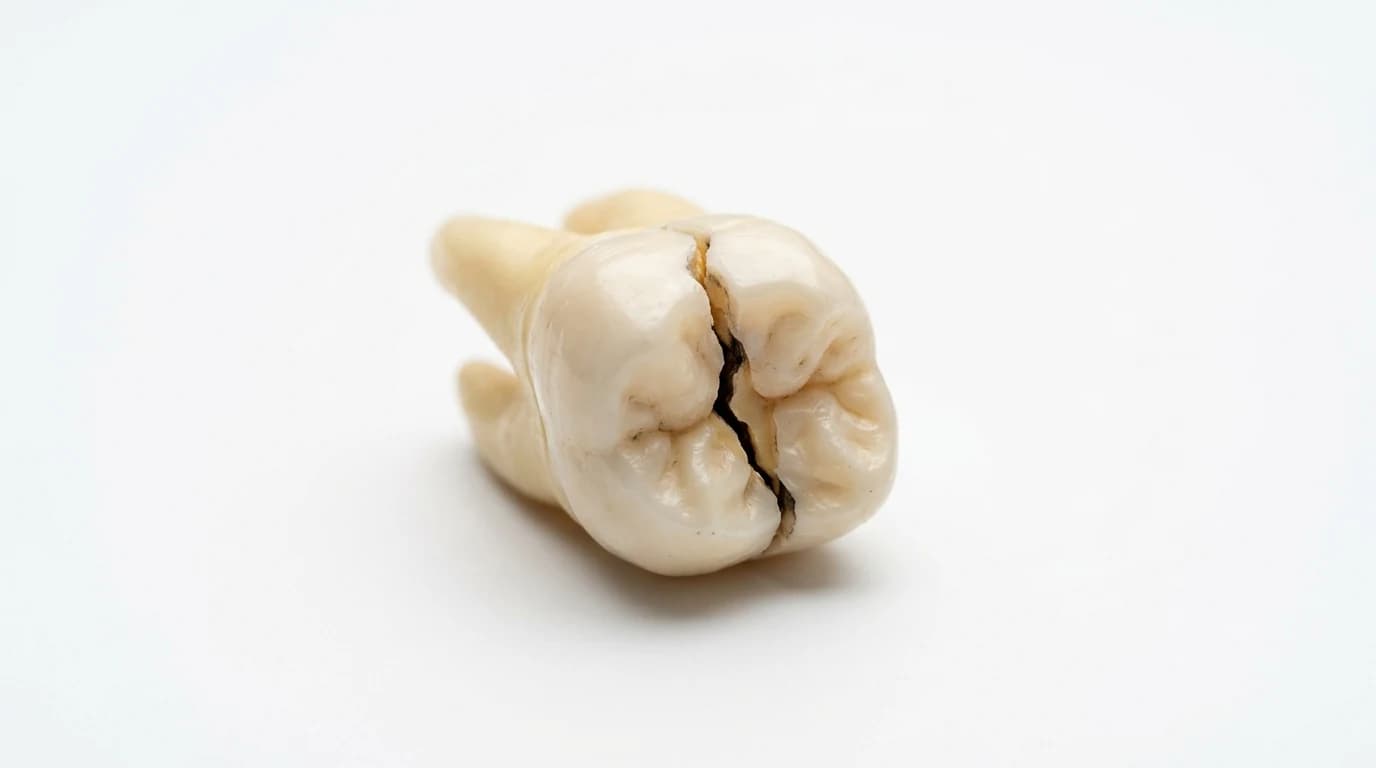
Biting down on an olive pit, catching an elbow during a pickup basketball game, or simply crunching on ice—teeth can chip, crack, or break in an instant, and it is never a moment you are prepared for. The sharp edge catches your tongue, you taste a bit of blood, and a rush of questions follows: Is this serious? Will I lose the tooth? What do I do right now?
The good news is that modern dentistry can repair almost every type of tooth fracture, from a tiny cosmetic chip to a tooth that has split in half. The key is knowing what steps to take immediately, understanding what kind of break you are dealing with, and getting to a dentist before the damage gets worse.
At Meadowbrook Dental Care, we treat chipped and broken teeth every week at our Mineola and Plainview locations. This guide walks Long Island residents through exactly what to do—from the moment the break happens to the final restoration.
Immediate Steps After Chipping or Breaking a Tooth
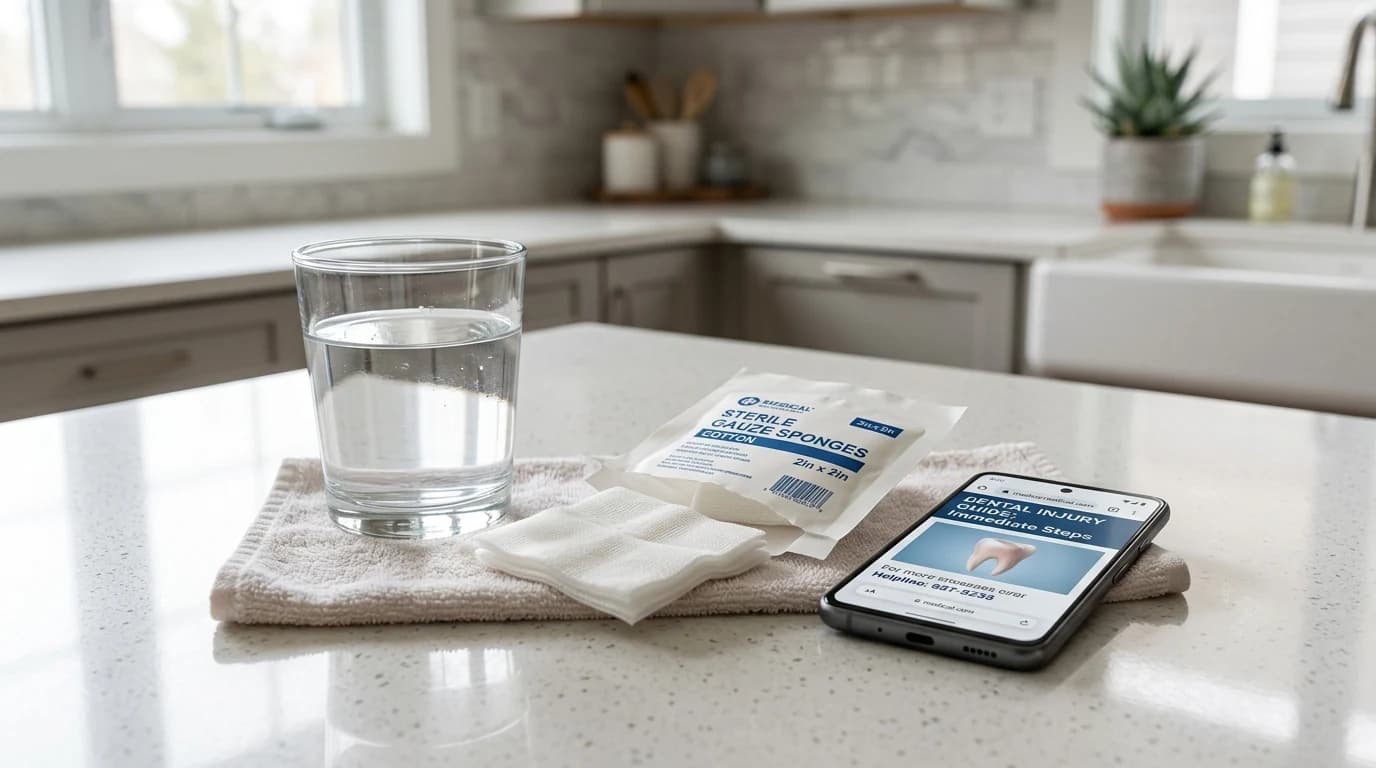
What you do in the first 30 minutes can significantly affect the outcome. Follow these steps in order:
- Stay calm and assess. Run your tongue gently over the area. Is the tooth sharp? Is there bleeding? Can you see or feel the broken piece? Severe pain, heavy bleeding, or a visibly loose tooth means you need same-day care.
- Save the fragment. If you can find the broken piece, pick it up by the enamel side (not the inner surface), rinse it gently with water, and store it in a small container with milk or saline. Your dentist may be able to bond it back in place, especially for larger pieces with clean break lines.
- Rinse your mouth. Swish gently with warm water to clear debris and blood. Do not use hot water or mouthwash containing alcohol—both can increase irritation.
- Control bleeding. Apply a piece of damp gauze or a clean cloth to the area with gentle, steady pressure. Bleeding from a chipped tooth usually stops within 10–15 minutes. If it does not, call us or go to urgent care.
- Reduce swelling. Hold a cold compress or ice pack wrapped in a towel against your cheek near the injured tooth. Apply for 15 minutes on, 15 minutes off. Cold slows blood flow to the area and reduces inflammation.
- Protect sharp edges. If the broken tooth has a jagged edge that is cutting your tongue, lip, or cheek, cover it with a small piece of orthodontic wax or sugar-free gum until you can see the dentist. This prevents soft tissue lacerations.
- Manage pain. Over-the-counter ibuprofen is generally the best choice for dental pain because it addresses both pain and inflammation. Follow the dosing instructions on the package. Avoid aspirin if there is active bleeding.
Types of Tooth Fractures
Not all breaks are created equal. The type and depth of the fracture determines whether you need a simple polish or a complex reconstruction. Here are the five main categories dentists use to classify tooth fractures:
- Enamel chip (craze line or minor chip). Only the outer enamel layer is affected. The tooth may have a rough edge or a small visible notch, but there is no pain because the nerve is not involved. These are the most common type of break and the easiest to fix.
- Cracked tooth. A crack extends from the chewing surface vertically toward the root but has not yet split the tooth into separate pieces. Symptoms include sharp pain when biting and sensitivity to hot and cold. Cracked teeth are tricky because the crack may not be visible on an X-ray—your dentist often diagnoses them through symptom patterns and specialized tests.
- Fractured cusp. A piece of the chewing surface breaks off, usually around a large filling. The break typically does not reach the pulp, so pain is mild or absent. A new crown usually restores full function.
- Split tooth. The crack has progressed completely through the tooth, separating it into two distinct segments. A split tooth cannot be saved intact, but in some cases one segment can be preserved with root canal therapy and a crown.
- Vertical root fracture. The crack starts at the root and travels upward. These fractures often produce minimal symptoms until the surrounding bone and gum tissue become infected. Vertical root fractures usually require extraction because the structural foundation of the tooth is compromised.
Treatment Options by Severity
The right treatment depends on the type and extent of the fracture. At Meadowbrook Dental Care, we assess every broken tooth with digital X-rays and, when needed, 3D cone-beam imaging to see the full picture before recommending a plan.
- Cosmetic bonding. For small enamel chips, your dentist applies tooth-colored composite resin directly to the damaged area, sculpts it to match the natural tooth shape, and hardens it with a curing light. The entire procedure takes 30–60 minutes and requires no anesthesia. Bonding typically lasts 5–10 years.
- Porcelain veneer. When a front tooth has a larger chip or an existing crack that bonding alone cannot mask, a porcelain veneer provides a durable, natural-looking solution. The thin porcelain shell covers the entire front surface of the tooth, hiding damage and restoring aesthetics.
- Dental crown. For fractured cusps, deep cracks, or teeth weakened by large fillings, a dental crown caps the entire visible portion of the tooth. Modern crowns are made from zirconia or lithium disilicate—materials that are both extremely strong and aesthetically indistinguishable from natural enamel. Crowns typically last 10–15 years or longer.
- Root canal therapy + crown. If the fracture exposes or damages the pulp (the nerve and blood vessel tissue inside the tooth), root canal therapy removes the infected tissue and seals the canals before a crown is placed on top. This saves the natural tooth root and avoids extraction.
- Extraction + dental implant. When a tooth is split vertically, has a root fracture, or is otherwise unsalvageable, extraction followed by a dental implant is the gold-standard replacement. The implant integrates with your jawbone and supports a crown that looks and functions like a natural tooth.
Cost Ranges for Broken Tooth Repair
The table below provides approximate cost ranges for the Nassau County / Long Island area. Your actual cost depends on the tooth location, materials used, and your insurance coverage.
| Break Type | Severity | Typical Treatment | Estimated Cost Range |
|---|---|---|---|
| Enamel chip | Low | Bonding or smoothing | $150–$400 |
| Cracked tooth | Moderate–High | Crown (may need root canal) | $1,000–$2,500 |
| Fractured cusp | Moderate | Crown | $1,000–$1,800 |
| Split tooth | High | Root canal + crown or extraction + implant | $1,800–$5,500 |
| Vertical root fracture | High | Extraction + implant | $3,000–$5,500 |
Disclaimer: These are approximate cost estimates for the Long Island / Nassau County area and may vary based on tooth location, materials, lab fees, and individual insurance coverage. Meadowbrook Dental Care provides a detailed treatment plan with specific pricing after examination.
When Is a Broken Tooth Urgent vs. When Can It Wait?
Not every chip requires an emergency visit, but some fractures need immediate attention. Use these guidelines:
Seek same-day care if:
- You are in severe or worsening pain
- The tooth is visibly cracked open or loose
- You can see pink or red tissue inside the tooth (exposed pulp)
- There is significant swelling around the broken tooth
- Bleeding will not stop after 15 minutes of pressure
- A large piece of the tooth is missing
Can wait 24–48 hours if:
- The chip is small and cosmetic only—no pain or sensitivity
- There is no swelling, bleeding, or exposed nerve tissue
- The tooth feels stable and you can protect the edge with dental wax
When in doubt, call us. Our team can help you assess the situation over the phone and determine whether you need to come in right away. Read our full guide on what qualifies as a dental emergency for more details.
Prevention: Protecting Your Teeth from Fractures
While accidents happen, many broken teeth are preventable with the right habits and protective gear:
- Custom night guard. If you grind or clench your teeth (bruxism), the repeated pressure weakens enamel and makes teeth far more susceptible to cracks. A custom-fit night guard from your dentist distributes bite forces evenly and protects against fracture. Over-the-counter guards provide some protection but do not fit as precisely.
- Sports mouthguard. Contact sports, basketball, martial arts, and even recreational cycling account for a large share of the broken teeth we treat at our Nassau County offices. A custom mouthguard absorbs impact far better than a boil-and-bite version from a sporting goods store.
- Avoid chewing hard objects. Ice, popcorn kernels, hard candy, pen caps, and fingernails are among the most common causes of cracked teeth. If you are a habitual ice chewer, talk to your dentist—this habit sometimes signals an iron deficiency.
- Maintain regular dental visits. Routine exams catch weakened fillings, early-stage cracks, and areas of enamel erosion before they progress to fractures. A small fix today prevents a big break tomorrow.
- Eat a tooth-friendly diet. Calcium-rich foods (dairy, leafy greens, almonds) and adequate vitamin D support strong enamel. Acidic foods and drinks (citrus, soda, wine) erode enamel over time, making teeth more brittle.
Frequently Asked Questions
Can a chipped tooth heal on its own?
No. Unlike bone, tooth enamel does not regenerate. Once a piece breaks off, it will not grow back. However, very minor chips that do not cause pain or sensitivity sometimes only need smoothing rather than a full restoration. Your dentist will determine whether treatment is necessary.
Should I go to the ER for a broken tooth?
In most cases, no. Emergency rooms can prescribe pain medication and antibiotics, but they do not have dental equipment to repair the tooth. A same-day appointment with an emergency dentist is faster, less expensive, and actually resolves the problem. The ER is appropriate only if the broken tooth involves a jaw fracture, uncontrollable bleeding, or difficulty breathing.
How long can I wait to get a broken tooth treated?
A painless cosmetic chip can safely wait a few days to a week for a scheduled appointment. A cracked tooth with pain, temperature sensitivity, or swelling should be seen within 24 hours—ideally the same day. A fractured tooth with an exposed nerve needs immediate attention to prevent infection and save the tooth. The longer you wait, the more complex and expensive the repair becomes.
Will dental insurance cover a broken tooth?
Most dental PPO plans cover a significant portion of restorative treatments like crowns and root canals under their basic or major services categories, typically at 50–80% after your deductible. Cosmetic bonding for minor chips may or may not be covered depending on your plan. We verify your benefits before treatment so you know your out-of-pocket costs upfront.
Is a cracked tooth always painful?
Not always. Some cracks cause intermittent pain only when chewing or when exposed to extreme temperatures. Others produce no symptoms at all until infection develops weeks or months later. This is why regular dental exams are important—your dentist can detect cracks before they become painful emergencies.
If you have chipped or broken a tooth, Meadowbrook Dental Care is here to help. Call (516) 284-1234 (Mineola) or (516) 346-5757 (Plainview) for a same-day appointment, or request an appointment online.
Chipped or Broken Tooth? We'll Fix It Today
From minor chips to serious fractures, Meadowbrook Dental Care restores damaged teeth with same-day appointments at our Mineola and Plainview offices.