Oral Hygiene Best Practices - Daily Care Tips
The Foundation of a Healthy Smile: A Guide to Daily Oral Hygiene
The clean, fresh feeling you have after a professional dental cleaning is a wonderful benchmark for your oral health, and it’s a feeling you can largely maintain year-round with just a few minutes of dedicated care each day. Excellent at-home oral hygiene is the absolute foundation of a healthy mouth. It is your primary defense against the common dental problems of tooth decay, gum disease, and bad breath. While nothing replaces professional care, mastering these daily practices empowers you to be the most important guardian of your own smile.
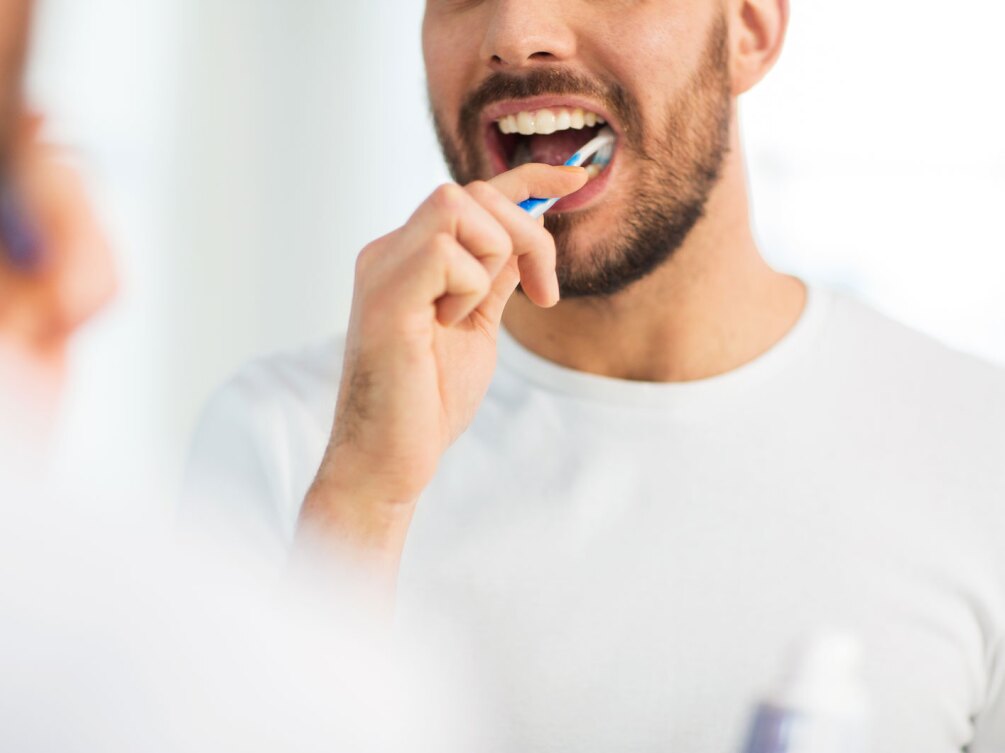
Your Daily Care Toolkit: Mastering Brushing, Flossing, and More
Many people go through the motions of brushing and flossing, but using the correct techniques makes all the difference. Think of this as your professional guide to the most effective daily care routine.
Brushing the Right Way: Technique Matters
It’s not just about brushing; it’s about brushing correctly.
The Tools: Start with a soft-bristled toothbrush and a toothpaste containing fluoride. A soft brush is essential for cleaning effectively without being abrasive to your gums and enamel.
The Technique:
Place your toothbrush at a 45-degree angle to your gums.
Use gentle, short, circular strokes to brush along the outer and inner surfaces of your teeth. Avoid aggressive back-and-forth scrubbing, which can damage your gums.
Use light back-and-forth strokes on the chewing surfaces.
Don’t forget to gently brush your tongue to remove bacteria that cause bad breath.
The Timing: Brush for two full minutes, twice a day, once in the morning and, most importantly, right before you go to bed.
Flossing: The Non-Negotiable Step
If you are not flossing, you are missing roughly 35% of your tooth surfaces. Brushing alone is not enough. Flossing is the only way to remove the plaque and food debris that gets trapped between your teeth and under your gum line.
The Technique:
Take a generous piece of floss, about 18 inches (45 cm) long, and wrap most of it around your middle fingers, leaving a small 1-2 inch section to work with.
Gently guide the floss between two teeth using a careful sawing motion. Never snap it into your gums.
When the floss reaches your gum line, curve it into a "C" shape against one tooth.
Gently slide the floss into the space between your gum and tooth until you feel resistance. Rub the side of the tooth with up-and-down motions.
Repeat this process on the adjacent tooth, and continue for all your teeth, using a clean section of floss for each space.
The Frequency: Floss thoroughly at least once per day.
Beyond the Basics: Other Helpful Tools
Antiseptic Mouthwash: While not a replacement for brushing and flossing, an ADA-accepted antiseptic mouthwash can help reduce bacteria, control plaque, and freshen your breath.
Tongue Scrapers: For those concerned with bad breath, a tongue scraper can be more effective at removing bacteria from the tongue's surface than a toothbrush.

Partner with Us to Perfect Your Home Care Routine
Your daily efforts at home are your most powerful tool for maintaining excellent oral health. When you combine these best practices with regular professional care, you create an unbeatable defense against dental disease. We are passionate about empowering our patients with the knowledge they need to care for their smiles effectively.
During your next cleaning at our Plainview, Long Island office, please ask our skilled hygienists for a personalized demonstration of these techniques. Contact Meadowbrook Dental today to schedule your preventive care visit and let us partner with you for a lifetime of healthy smiles.

Start Your Dental Journey with us
Seamless Appointments
Expert Dentist
Call Today