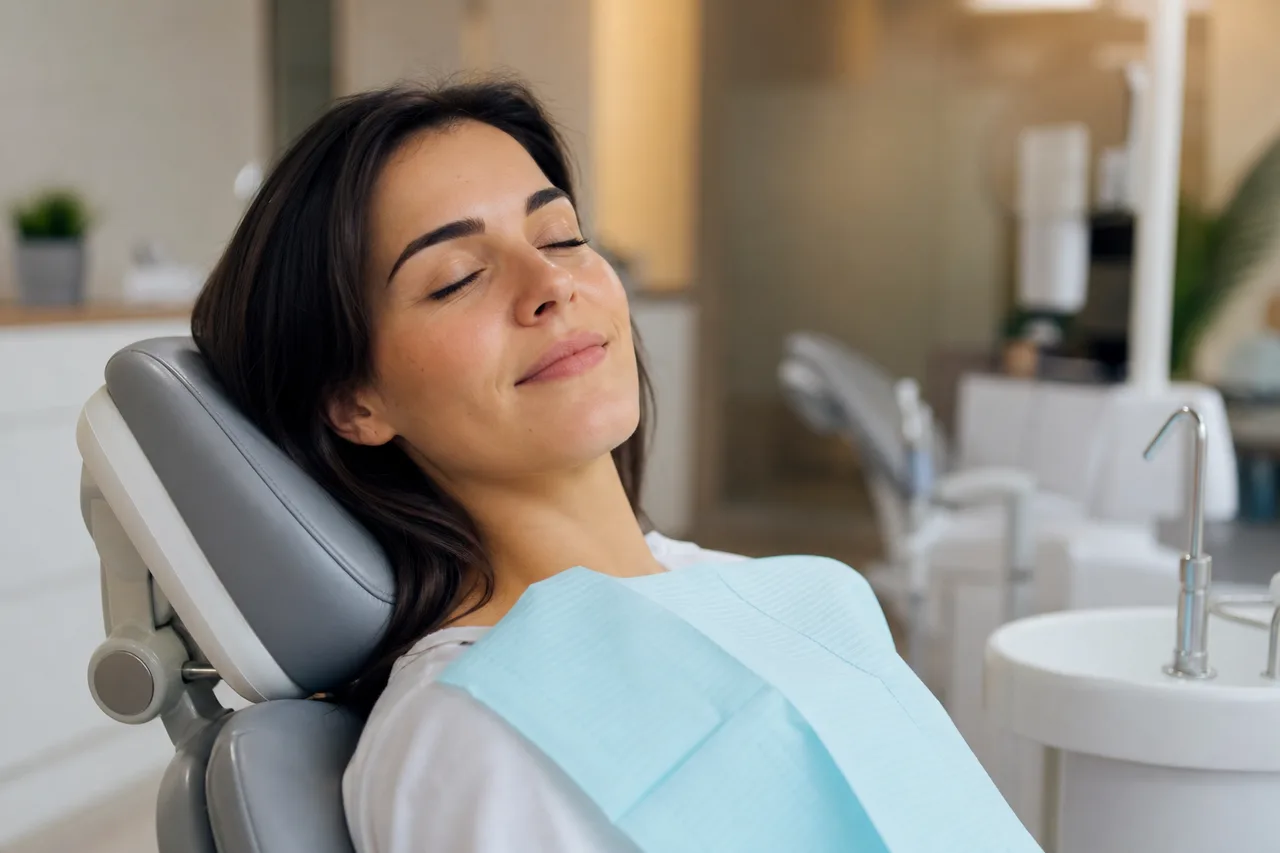
For millions of people, the thought of sitting in a dental chair brings real anxiety, and that fear often leads to years of avoided checkups and small problems quietly becoming big ones. Sedation dentistry exists to break that cycle, allowing nervous patients to receive the care they need while feeling calm and comfortable throughout.
If dental anxiety has been holding you back, this guide is for you. We explain what sedation dentistry is, the different levels available, who makes a good candidate, how safe it is, and what it typically costs on Long Island. Understanding the options ahead of time often takes the edge off the fear all on its own.
What Is Sedation Dentistry?
Sedation dentistry uses medication to help you relax during dental treatment. Depending on the level used, you may feel pleasantly calm and aware, drowsy and detached, or so deeply relaxed that you remember little of the appointment afterward. It is sometimes called sleep dentistry, though in most cases you remain conscious and able to respond.
Sedation is not only for anxious patients. It also helps people with a strong gag reflex, difficulty getting numb, physical conditions that make sitting still uncomfortable, or a long procedure they would rather experience as a single restful blur. The goal is always the same, which is comfortable, stress free care.
Types of Dental Sedation
Sedation comes in several levels, and the right one depends on your anxiety, your health history, and the procedure planned. The main options offered at practices like Meadowbrook Dental Care include the following.
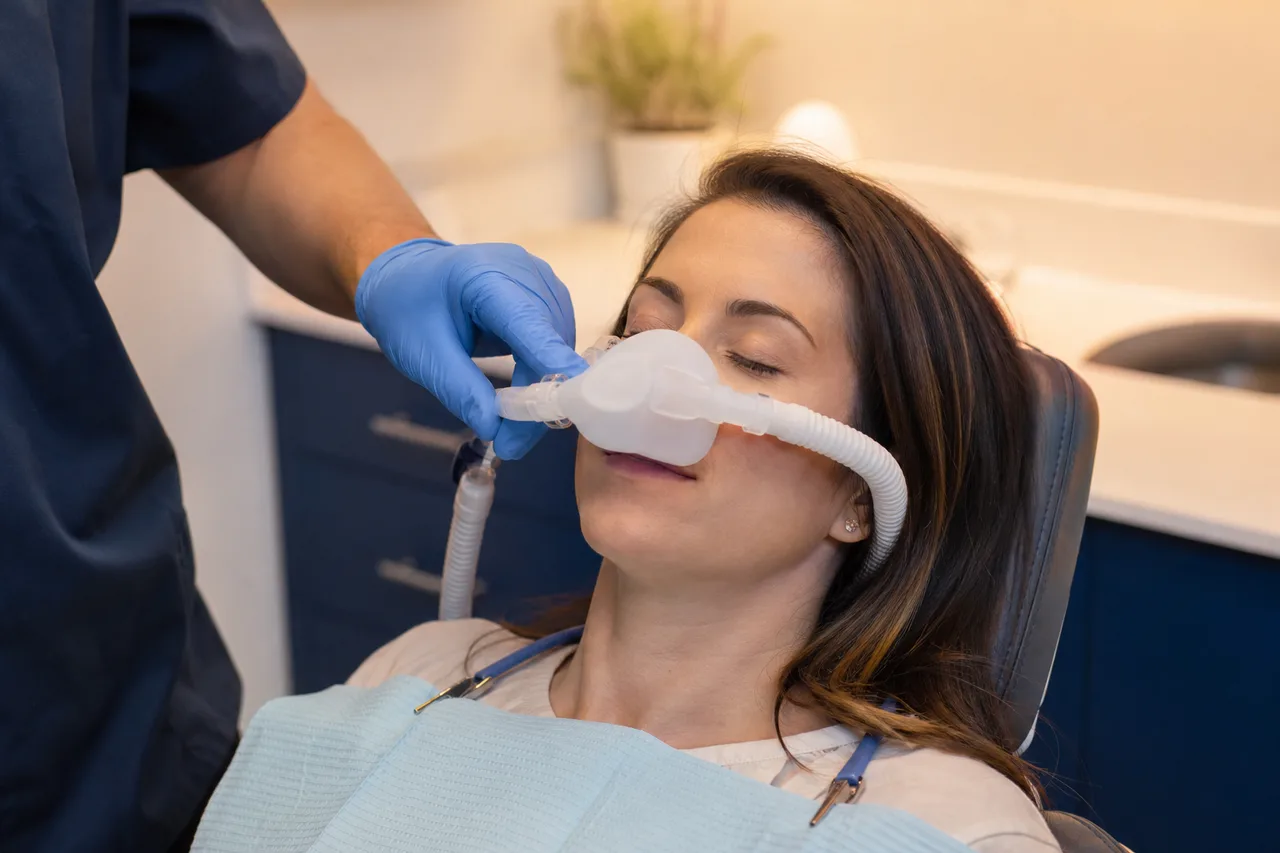
- Nitrous oxide: Often called laughing gas, this is inhaled through a small nasal mask and produces a light, calm feeling. It wears off within minutes, so you can usually drive yourself home.
- Oral sedation: A prescription pill taken before your visit creates a deeper sense of relaxation. You stay awake but feel drowsy, and you will need someone to drive you.
- IV sedation: Medication delivered through a vein provides a deeper, carefully controlled level of sedation that is adjusted in real time, ideal for longer or more complex treatment.
- General anesthesia: The deepest level, in which you are fully unconscious, reserved for specific cases and administered with appropriate monitoring.
Comparing the Levels of Sedation
The table below summarizes how the common options differ, which helps when you are picturing what your appointment might feel like.
| Type | How It Feels | Recovery | Best For |
|---|---|---|---|
| Nitrous oxide | Light, calm, fully aware | Minutes, can drive home | Mild anxiety, routine care |
| Oral sedation | Drowsy and relaxed, awake | A few hours, need a driver | Moderate anxiety |
| IV sedation | Deeply relaxed, hazy memory | Rest of the day, need a driver | High anxiety, longer procedures |
Who Is a Good Candidate?
Sedation can benefit a wide range of patients, but it is not automatically right for everyone. A thorough review of your medical history and current medications comes first. You may be a strong candidate if you recognize yourself in any of the following.
- You feel intense anxiety or fear about dental visits, to the point of canceling or avoiding them.
- You have a sensitive gag reflex that makes treatment difficult or uncomfortable.
- You need extensive work, such as implant treatment or several procedures, and prefer to combine visits.
- You have trouble sitting still or staying comfortable for longer appointments.
- You are facing urgent treatment and want to stay calm during emergency care.
Is Sedation Dentistry Safe?
When provided by trained professionals with proper monitoring, sedation dentistry has a strong safety record. Before any sedation, your dentist reviews your health history, current medications, and any conditions that could affect your response. During treatment, your vital signs are monitored, and the level of sedation is matched carefully to you.
The most important things you can do are to disclose your full medical history honestly, follow the pre-appointment instructions you are given, and arrange a responsible adult to drive you home if you receive oral or IV sedation. With those steps in place, the experience is both safe and remarkably calm.
What Does Sedation Dentistry Cost on Long Island?
Sedation is usually priced separately from the dental procedure itself, and the cost depends on the type used and how long it is needed. The ranges below reflect what patients in the Nassau County area can generally expect.
| Type of Sedation | Typical Cost Range |
|---|---|
| Nitrous oxide | $50 to $150 per visit |
| Oral sedation | $150 to $500 per visit |
| IV sedation | $400 to $900 per hour |
Disclaimer: These figures are educational estimates for the Long Island area and are not a quote. Your actual cost depends on the type of sedation, the length of your appointment, and your treatment plan. A precise quote requires an in-person consultation.
Some dental plans contribute toward sedation when it is medically necessary, though coverage varies. Our team can verify your benefits, and our flexible financing options can spread the cost of more involved treatment.
Frequently Asked Questions
Will I be asleep during sedation dentistry?
Usually not. With nitrous oxide and oral sedation you remain awake but deeply relaxed and able to respond. IV sedation produces a much hazier, sleepy state where many patients remember little of the visit. Full unconsciousness only occurs with general anesthesia, which is reserved for specific cases.
How long does dental sedation take to wear off?
Nitrous oxide clears within minutes, so most patients feel normal and can drive home shortly after. Oral and IV sedation linger for several hours, which is why you will need a responsible adult to drive you and why it is best to rest for the remainder of the day.
Can I drive myself home after sedation?
After nitrous oxide, yes, in nearly all cases. After oral or IV sedation, no. The medication affects your coordination and judgment for hours, so you must arrange for someone to drive you to and from your appointment.
Is sedation dentistry safe for people with anxiety?
Yes, and anxiety is one of the most common reasons people choose it. After a review of your medical history, sedation lets fearful patients receive care comfortably, often making it possible to finally complete treatment they have avoided for years. Sharing your concerns with your dentist helps tailor the right approach.
You do not have to dread the dentist any longer. Call Meadowbrook Dental Care at (516) 284-1234 (Mineola) or (516) 346-5757 (Plainview), or schedule online to talk through your sedation options in a judgment free visit.
Dentistry Without the Dread
If fear has kept you away from the dentist, you are exactly who sedation dentistry is for. Our Mineola and Plainview team helps you relax through care you have been putting off.