Quick Answer
Wisdom teeth have a way of announcing themselves at the worst possible time. One day everything feels fine, and the next you have a dull ache in the back of your jaw that slowly turns into something you cannot ignore. For a lot of people on Long Island, that is the moment they start wondering whether the teeth need to come out.
This guide explains what wisdom teeth are, the signs that removal is needed, when the situation becomes a true emergency, and what recovery actually looks like. We also cover what the procedure typically costs in the Nassau County area. Everything here is general education, so a real exam and x-ray are the only way to know what your specific teeth need.
What Wisdom Teeth Are and Why They Cause Trouble
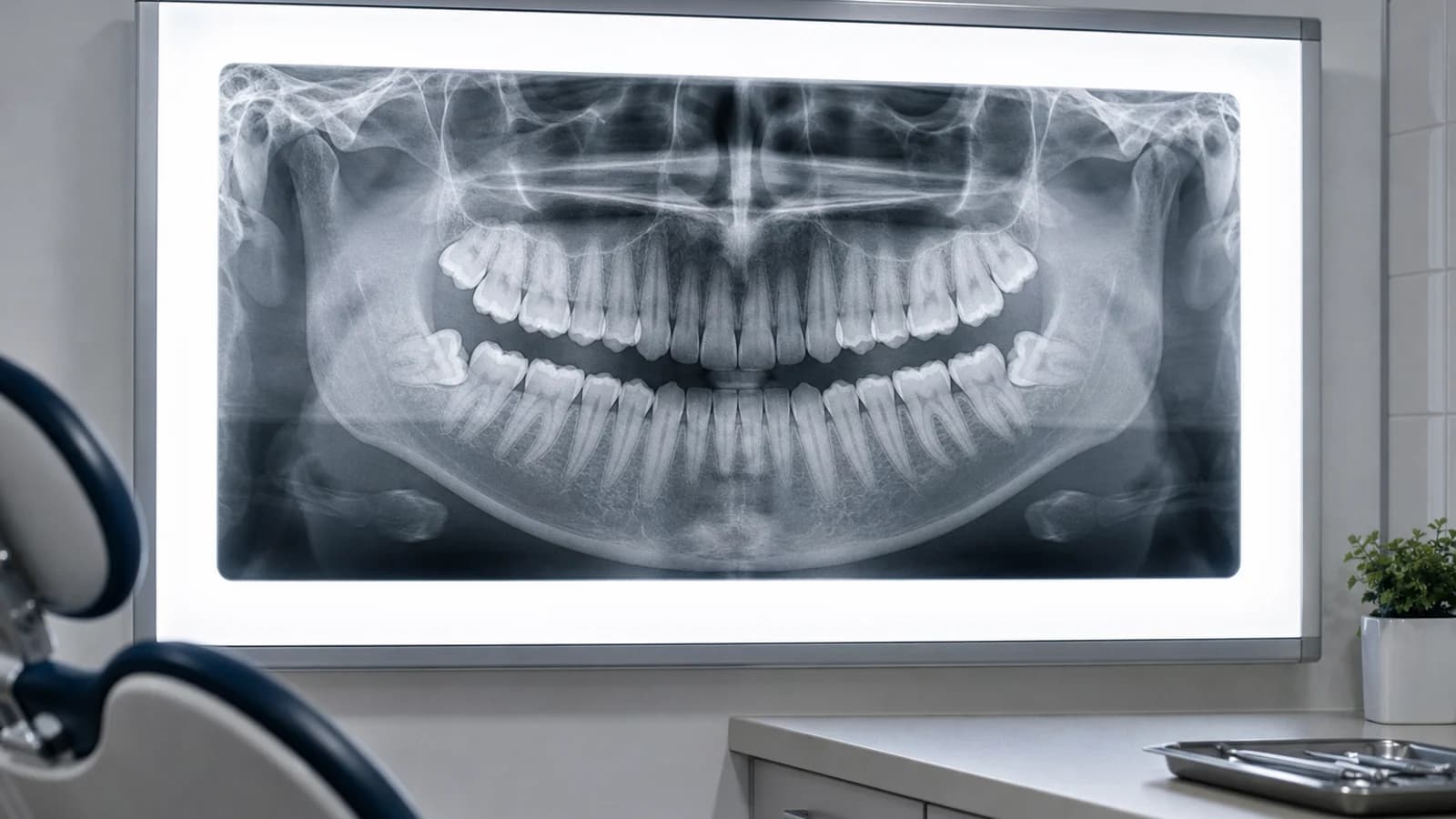
Wisdom teeth are your third molars, the last teeth to come in, usually between the ages of 17 and 25. Thousands of years ago they served a purpose, but modern jaws are often too small to fit them. When there is not enough room, the teeth become impacted, meaning they get stuck under the gum or against the tooth in front of them.
Impaction is where most problems start. A partially erupted wisdom tooth creates a flap of gum that traps food and bacteria, and a fully trapped tooth can push on its neighbor or form a cyst. Not everyone needs their wisdom teeth removed, but when these issues appear, removal is usually the right call.
Signs Your Wisdom Teeth Need to Come Out
Some wisdom teeth come in cleanly and never cause a problem. Others send clear signals that they are not going to cooperate. Watch for these:
- Aching or pressure at the very back of your jaw
- Red, swollen, or tender gums behind your last molar
- Pain when you bite or open your mouth wide
- A bad taste or persistent bad breath from the area
- Crowding or shifting of your other teeth
- Frequent food trapping that you cannot clean out
If any of these sound familiar, it is worth getting an evaluation before the discomfort escalates. Early removal is often simpler than waiting until the tooth is fully impacted and inflamed.
When a Wisdom Tooth Becomes a Dental Emergency
Sometimes a wisdom tooth crosses the line from nuisance to urgent problem. You should seek emergency dental care right away if you have severe pain that over-the-counter medicine will not touch, noticeable facial or gum swelling, fever, or trouble swallowing or opening your mouth. These can be signs of an infection that needs prompt treatment. Our guide on what qualifies as a dental emergency can help you decide how fast you need to be seen.

What to Expect During the Procedure
Wisdom tooth removal is one of the most common procedures in dentistry, and modern techniques make it far more comfortable than its reputation suggests. The approach depends on the position of the tooth.
- Simple extraction: If the tooth has fully erupted, it can often be removed much like any other tooth, usually with local anesthetic and a short recovery.
- Surgical extraction: If the tooth is impacted, the dentist makes a small opening in the gum and may divide the tooth into pieces to remove it gently. This is routine and well practiced.
Comfort options range from local numbing to sedation dentistry for patients who feel anxious or are having all four teeth removed at once. We will talk through the choices so you feel relaxed and informed before anything begins.
Recovery Timeline and Aftercare
Most people are surprised by how manageable recovery is when they follow the aftercare instructions. Here is a general timeline.
| Timeframe | What to Expect |
|---|---|
| First 24 hours | Rest, bite on gauze, use cold packs, stick to liquids and very soft foods |
| Days 2 to 3 | Peak swelling, then steady improvement, gentle salt water rinses |
| Days 4 to 7 | Swelling fades, most people return to normal routines |
| Weeks 2 to 4 | Gum tissue continues to heal and close over |
A few aftercare rules protect your healing. Do not use straws, do not smoke, and avoid vigorous rinsing for the first few days, since these can dislodge the clot and cause a painful condition called dry socket. Stick to soft foods like yogurt, smoothies, eggs, and soup, and keep the area clean with gentle rinses once your dentist says it is okay.
What Wisdom Tooth Removal Costs on Long Island
Cost depends heavily on whether the extraction is simple or surgical and whether you choose sedation. These are general ranges for the Long Island area.
| Type | Typical Cost (Per Tooth) |
|---|---|
| Simple extraction | $150 to $350 |
| Surgical extraction (impacted) | $250 to $650 |
| All four with sedation | $1,000 to $3,000 |
Disclaimer: These figures are educational estimates for the Nassau County market and are not a quote. Many dental plans cover a portion of wisdom tooth removal when it is medically necessary. Your exact cost depends on the position of the teeth, the anesthesia chosen, and your coverage, all of which we review after an exam and x-ray.
Frequently Asked Questions
Does everyone need their wisdom teeth removed?
No. If your wisdom teeth come in straight, have enough room, and you can clean them well, they may not need to come out. The decision is based on your x-rays and symptoms, not a one size fits all rule. Regular checkups let your dentist monitor them over time.
How long does recovery really take?
Most people feel substantially better within three to four days and return to normal activities inside a week. Full healing of the gum tissue takes a few weeks. Following the aftercare steps closely is the biggest factor in a smooth recovery.
Will the procedure hurt?
The area is fully numbed during the extraction, so you should not feel pain while it happens. Afterward, manageable soreness is normal and responds well to the medication and cold packs we recommend. Sedation is available if you are nervous.
What is dry socket and how do I avoid it?
Dry socket happens when the protective blood clot is lost too early, exposing the bone underneath. It is uncomfortable but treatable. You can lower your risk by avoiding straws, smoking, and aggressive rinsing for the first several days after surgery.
Dealing with wisdom tooth pain right now? Call Meadowbrook Dental Care at (516) 284-1234 (Mineola) or (516) 346-5757 (Plainview), or reach out online and we will get you seen quickly.
Wisdom Tooth Pain? Do Not Wait It Out
If a wisdom tooth is throbbing, swollen, or making it hard to open your mouth, our team in Mineola and Plainview can see you quickly and get you out of pain.