Cosmetic dentistry has evolved dramatically over the past decade, and 2026 marks a turning point where digital planning, conservative techniques, and natural-looking results have become the standard rather than the exception. Whether you are considering veneers, whitening, bonding, or a complete smile transformation, understanding the current landscape helps you make informed choices and ask the right questions.
At Meadowbrook Dental Care in Mineola and Plainview, we stay at the forefront of these trends—not to chase novelty, but to give our Nassau County patients access to techniques that are safer, more predictable, and more personalized than ever before. Here are the seven trends shaping cosmetic dentistry in 2026 and what each one means for you.
1. Digital Smile Design: See Your Results Before Treatment
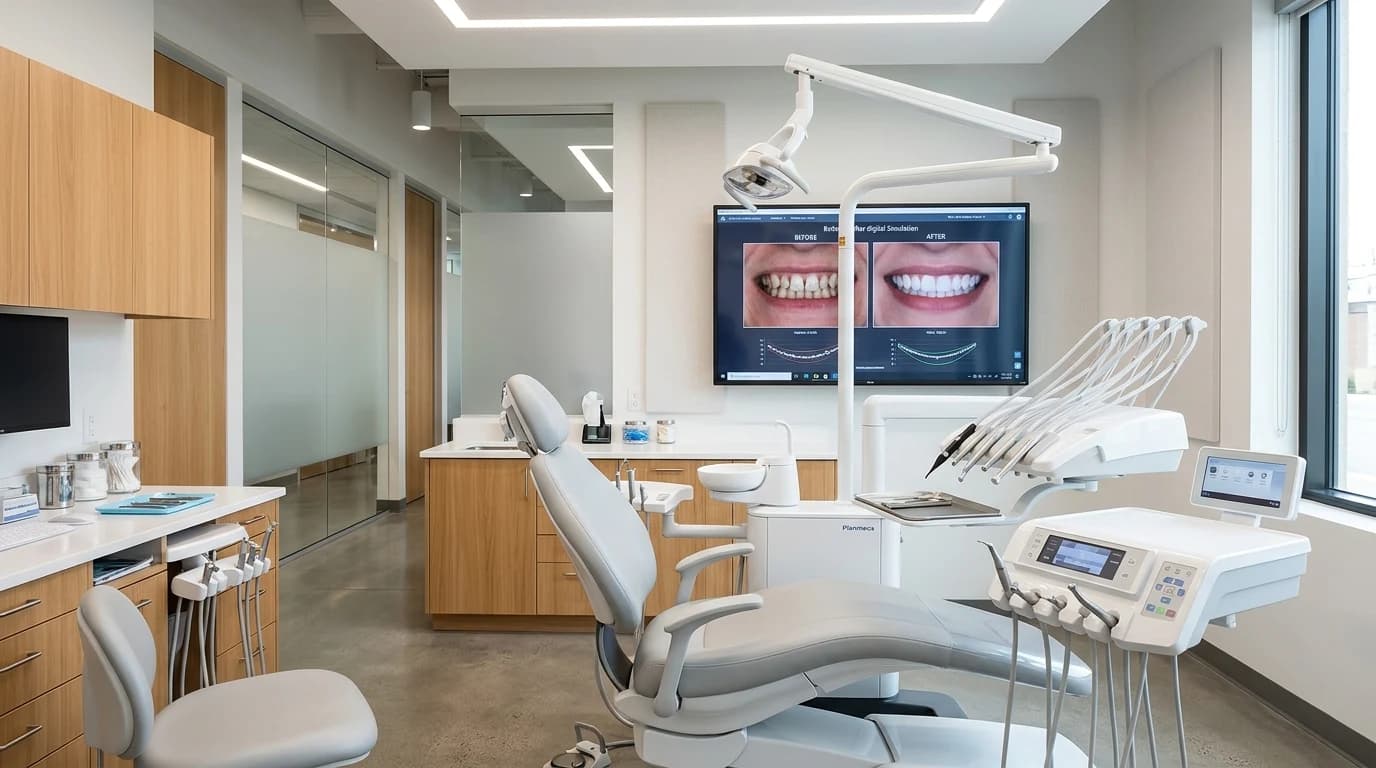
Perhaps the most significant shift in cosmetic dentistry is the move from “trust me, it will look great” to “here is exactly what it will look like.” Digital Smile Design (DSD) uses high-resolution facial photographs, intraoral scans, and specialized software to create a 3D simulation of your projected results before any treatment begins.
For patients, this means no more guessing. You can evaluate different tooth shapes, proportions, and shades on a screen—and collaborate with your dentist to fine-tune the design until it matches your vision. The digital blueprint then guides every step of fabrication, from veneer preparation to bonding placement, ensuring the final result matches the preview. At Meadowbrook, we use DSD for veneers, smile makeovers, and complex reconstruction cases to align patient expectations with clinical outcomes.
2. Minimal-Prep and No-Prep Veneers
Traditional porcelain veneers required removing 0.5–0.7 mm of enamel from the front surface of each tooth—an irreversible step that made some patients hesitant. In 2026, advances in ceramic materials and bonding technology have made minimal-prep and even no-prep veneers viable for carefully selected cases.
Ultra-thin porcelain (as thin as 0.2–0.3 mm) can be bonded with virtually no tooth reduction when the patient's existing tooth position and enamel thickness allow it. The result is the same dramatic transformation with less biological cost. However, not every case qualifies—patients with protruding teeth or crowding may still need preparation to achieve a natural contour. Your dentist will evaluate whether minimal-prep veneers make sense for your anatomy.
3. The Composite Bonding Renaissance
Dental bonding—applying tooth-colored composite resin to reshape, repair, or close gaps—has undergone a quiet revolution. Modern composite materials offer improved color-matching, better translucency, and greater wear resistance than earlier generations. Combined with artistic layering techniques, skilled clinicians can now achieve results that rival porcelain in many situations.
Bonding is particularly appealing for younger patients or those who want a conservative, reversible improvement. It can address chipped edges, minor gaps, uneven tooth length, and discoloration in a single appointment with no anesthesia and no enamel removal in most cases. While bonding does not last as long as porcelain (typically 5–7 years versus 10–15+ years), its lower cost and reversibility make it an excellent entry point into cosmetic improvement.
4. Clear Aligner Popularity Continues to Grow
Invisalign and other clear aligner systems have moved beyond simple spacing cases. In 2026, clear aligners can address moderate bite issues, open bites, and even some cases that previously required braces. For cosmetic patients, aligners serve as a foundation step—straightening teeth before whitening, bonding, or veneers produces a more conservative and longer-lasting result.
The trend toward combining aligners with other cosmetic procedures reflects a broader philosophy: move teeth first, then enhance. This sequence often reduces the number of veneers needed and preserves more natural tooth structure. At Meadowbrook Dental Care, Invisalign starts at $3,300 with $0 down, making alignment an accessible first step in a larger cosmetic plan.
5. Teeth Whitening Advances
Professional whitening remains one of the most requested cosmetic treatments, and the technology continues to improve. Current in-office systems deliver results in a single 60–90 minute session with significantly less sensitivity than older protocols thanks to desensitizing agents built into the gel formulas.
Take-home professional trays have also evolved—custom-fitted trays with reservoirs for precise gel placement produce more even results than over-the-counter strips and reduce gum irritation. The trend in 2026 is a hybrid approach: an in-office jump-start session followed by take-home trays for maintenance, giving patients both immediate impact and lasting control over their shade.
6. AI-Assisted Treatment Planning
Artificial intelligence is entering the cosmetic dentistry workflow—not to replace clinical judgment, but to augment it. AI algorithms analyze facial proportions, smile lines, gum contours, and tooth dimensions to suggest ideal proportions based on established aesthetic principles. The dentist then refines these suggestions based on patient preferences and clinical realities.
For patients, AI-assisted planning translates to faster design iterations, more consistent outcomes across complex cases, and a collaborative process where technology handles measurement precision while human artistry guides the final aesthetic. This is an area where practices that invest in continuing education and technology—like Meadowbrook Dental Care—deliver meaningfully different results than those relying on older workflows.
7. Natural Aesthetics Over “Hollywood White”
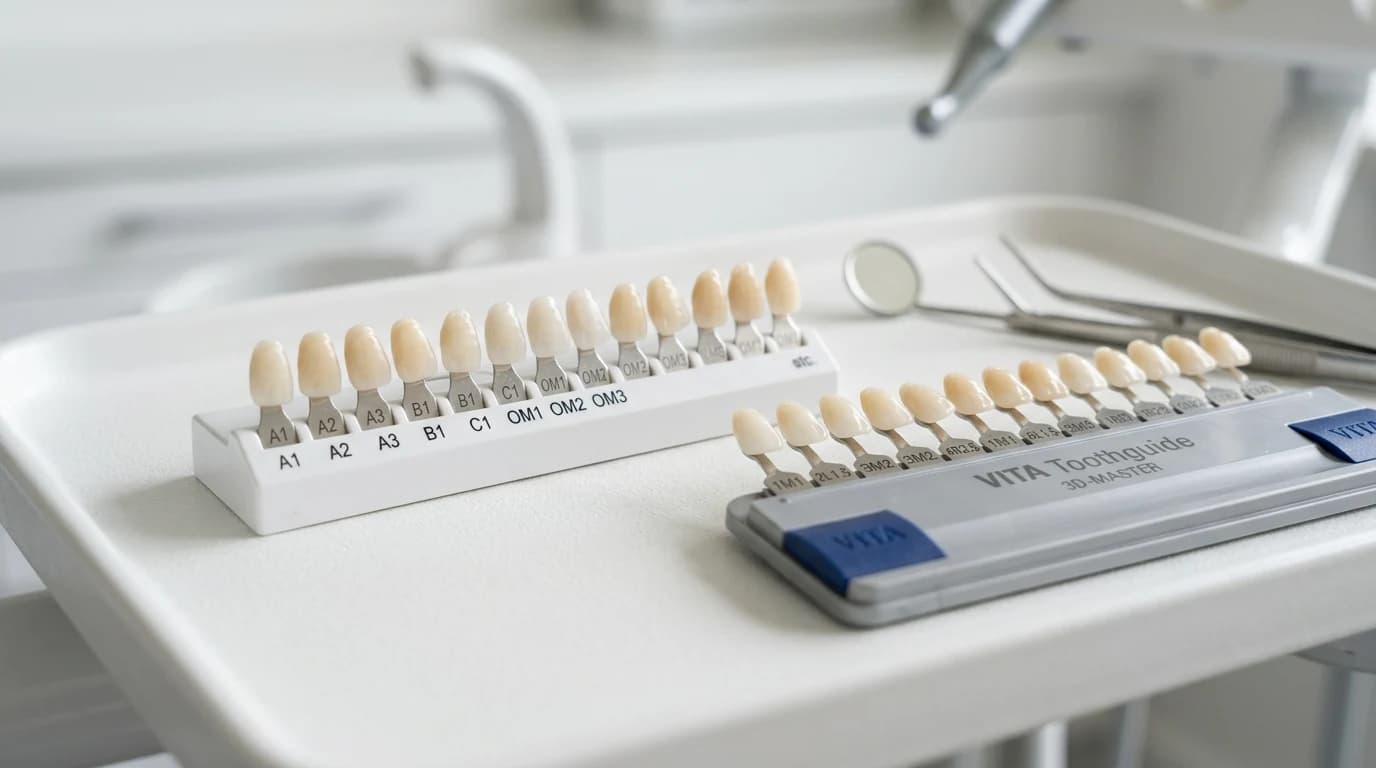
The era of uniformly bright, opaque, oversized veneers is fading. In 2026, the dominant aesthetic trend is teeth that look natural—subtle translucency at the edges, slight color variation from gum line to tip, and shapes that complement your facial features rather than conforming to a one-size-fits-all template.
This shift benefits patients enormously. Natural-looking restorations age better, blend seamlessly with remaining teeth, and avoid the “I obviously had work done” look that many patients fear. Skilled ceramists now create veneers with internal color layers that mimic the depth and complexity of real enamel—something that was technically possible before but is now the expectation rather than the exception.
Cosmetic Procedure Comparison
Choosing the right cosmetic treatment depends on your goals, budget, and timeline. The table below compares the most popular options across key factors. All cost ranges reflect the Nassau County and Long Island market in 2026.
| Procedure | Cost Range (per tooth/treatment) | Treatment Time | Longevity | Best For |
|---|---|---|---|---|
| Porcelain veneers | $1,500–$3,000 per tooth | 2–3 visits over 2–4 weeks | 10–15+ years | Shape, color, and size transformation |
| Composite bonding | $300–$800 per tooth | 1 visit (30–60 min per tooth) | 5–7 years | Chips, gaps, minor reshaping |
| Professional whitening | $300–$800 per treatment | 1–2 visits (in-office) or 2–4 weeks (take-home) | 1–3 years with maintenance | Overall shade improvement |
| Invisalign | $3,300–$7,000+ (full treatment) | 6–18 months | Permanent with retainers | Alignment, spacing, mild bite correction |
Disclaimer: Cost ranges are educational estimates for the Long Island area. Your actual investment depends on case complexity, materials selected, and the number of teeth involved. A personalized quote requires an in-office evaluation.
Frequently Asked Questions
What is the most popular cosmetic dental procedure in 2026?
Professional teeth whitening remains the single most requested cosmetic treatment due to its accessibility, affordability, and immediate results. However, the fastest-growing category is combination treatments—patients pairing aligners with whitening, or bonding with veneers—to achieve comprehensive improvements in a single coordinated plan.
How do I know which cosmetic treatment is right for me?
Start with a cosmetic consultation where your dentist evaluates your oral health, discusses your goals, and may use Digital Smile Design to show you possibilities. The right treatment depends on the specific changes you want (color, shape, alignment, or all three), the condition of your existing teeth, your budget, and your timeline. There is rarely a single “right answer”—most patients benefit from a tailored combination.
Are cosmetic dental procedures covered by insurance?
Most dental insurance plans classify cosmetic procedures as elective and do not cover them. However, procedures with both cosmetic and functional benefits—such as crowns that restore a damaged tooth or Invisalign that corrects a bite issue—may receive partial coverage. Meadowbrook Dental Care offers flexible financing including 0% interest plans to make cosmetic treatment accessible regardless of insurance status.
How long do cosmetic results last?
Longevity varies by procedure. Porcelain veneers typically last 10–15 years or longer with proper care. Composite bonding lasts 5–7 years before needing touch-up or replacement. Whitening results last 1–3 years depending on diet and maintenance habits. Orthodontic results (Invisalign) are permanent as long as you wear retainers as directed.
Ready to explore what modern cosmetic dentistry can do for your smile? Call Meadowbrook Dental Care at (516) 284-1234 (Mineola) or (516) 346-5757 (Plainview), or schedule online to book your cosmetic consultation.
Design Your Best Smile in 2026
From Digital Smile Design previews to minimal-prep veneers, Meadowbrook Dental Care brings the latest cosmetic techniques to our Mineola and Plainview offices. See what's possible for your smile.