Quick Answer
If you just had a crown placed, or you are weighing whether one is worth the investment, the first question most people ask is simple: how long will it actually last? It is a fair thing to wonder about, because a crown is a meaningful expense and you want to know you are getting real value for your money.
The honest answer is that a well made crown can last anywhere from 10 to 30 years, and sometimes a lifetime. Where your crown lands in that range depends on the material it is made from, where it sits in your mouth, and how you care for it day to day. Below we break down the real numbers, the habits that help or hurt, and the warning signs that tell you a crown is ready to be replaced. Keep in mind that this is general education, and only an exam at our Long Island office can tell you the condition of your specific crown.
What a Dental Crown Actually Does
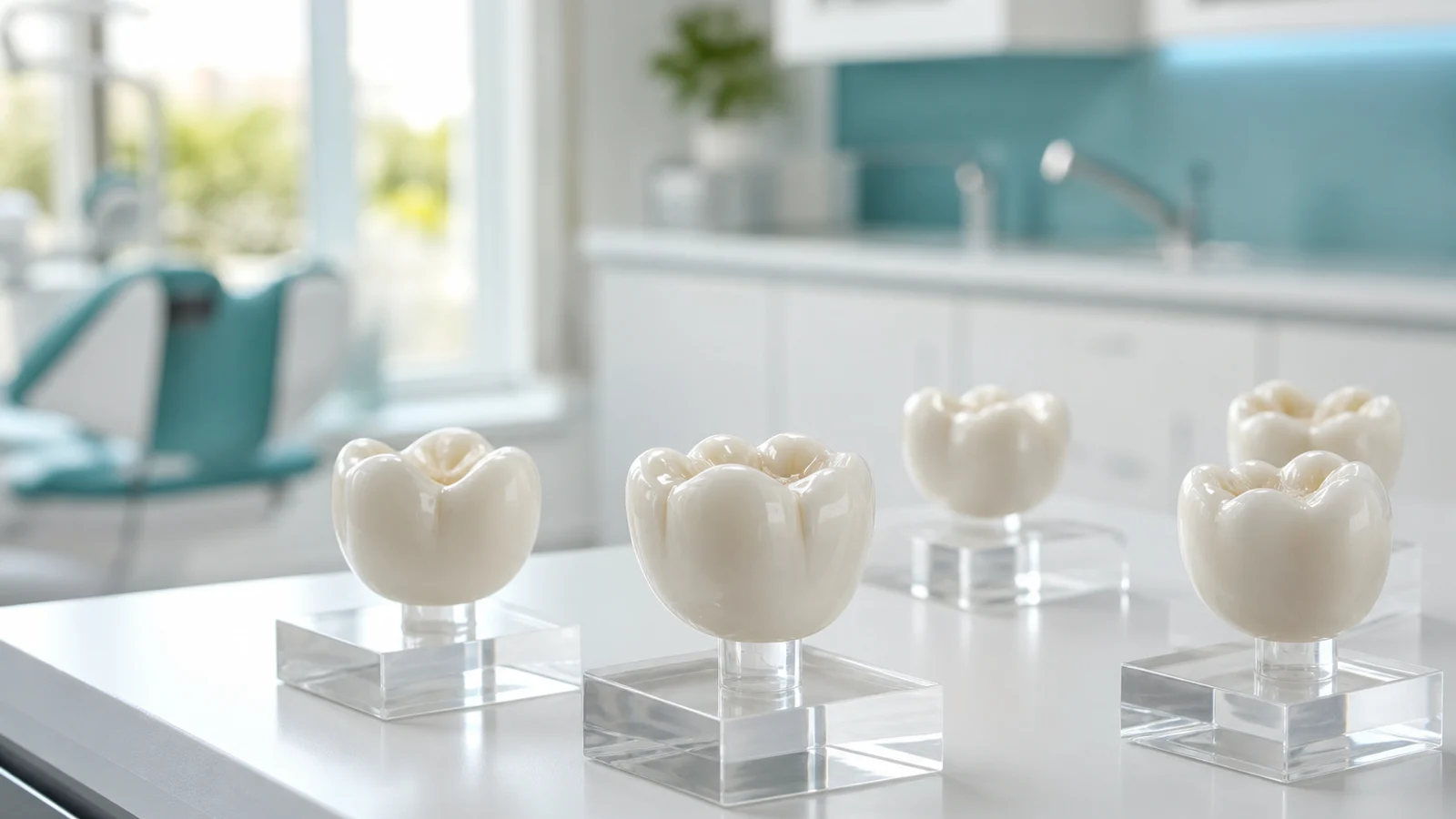
A dental crown is a custom cap that fits over a tooth to restore its shape, strength, and appearance. Dentists use crowns to protect a tooth after a large filling, cover a tooth that has had a root canal, hold a bridge in place, or top off a dental implant. Because the crown takes over the daily work of chewing, the quality of the material and the fit of the crown matter a great deal for how long it holds up.
It helps to think of a crown as a high performance part on a car. The part itself is built to last, but how you drive and how well you maintain it decides whether it reaches its full potential or wears out early.
How Long Crowns Last by Material
Not all crowns are created equal. The material your dentist recommends usually comes down to the location of the tooth, how much force it takes when you bite, and how visible it is when you smile. Here is what patients on Long Island can generally expect from each type.
| Crown Material | Typical Lifespan | Best For |
|---|---|---|
| Zirconia | 15 to 20+ years | Back teeth and heavy chewers who want strength |
| Gold or metal alloy | 20 to 30+ years | Out of sight molars where durability matters most |
| Porcelain fused to metal | 10 to 15 years | A balance of strength and a natural look |
| All porcelain or ceramic | 10 to 15 years | Front teeth where appearance is the priority |
| Resin | 5 to 7 years | Temporary or budget situations |
These figures describe how the crown material itself performs. The tooth and gum underneath also have to stay healthy, which is why your daily routine and regular checkups end up being just as important as the material on top.
What Makes a Crown Last Longer or Wear Out Faster
Two people can get the exact same type of crown and see very different results a decade later. These are the factors that explain why.
- Oral hygiene: Decay can still form at the edge where the crown meets your natural tooth. Daily brushing and flossing around that margin is the single biggest thing you control.
- Grinding and clenching: If you grind your teeth at night, you put years of extra stress on a crown. A custom night guard can dramatically extend its life.
- Where the tooth sits: Molars absorb far more chewing force than front teeth, so crowns in the back tend to show wear sooner.
- Habits: Chewing ice, biting fingernails, or using your teeth to open packaging can crack even a strong crown.
- Fit and quality: A precisely fitted crown from a good lab seals out bacteria and lasts longer than a rushed, poorly fitted one.
Signs Your Crown May Need Replacing
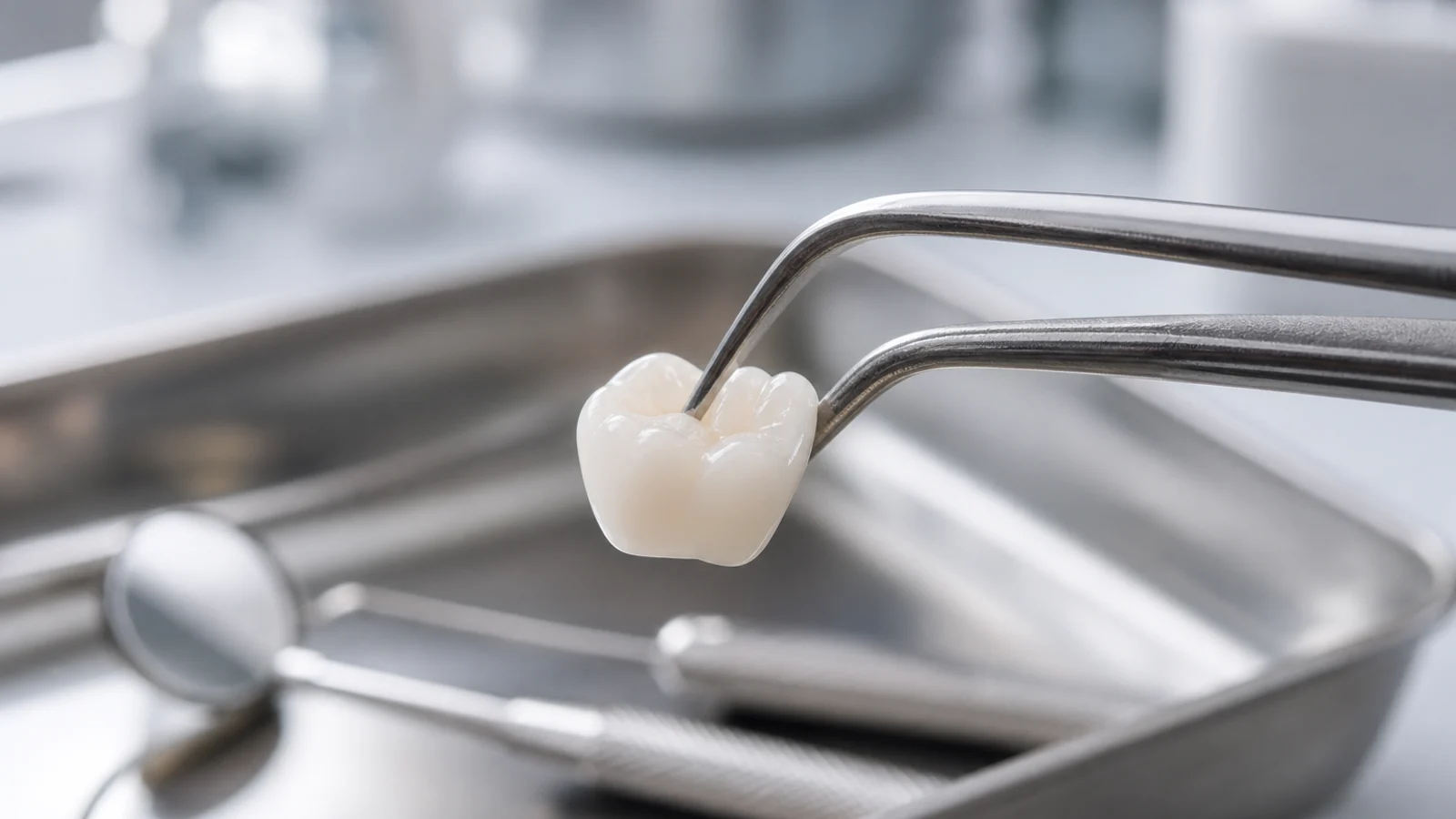
Crowns rarely fail overnight. They tend to give you warning signs first. If you notice any of the following, it is worth booking a visit before a small issue turns into a bigger one.
- Pain or sensitivity when you bite down or drink something hot or cold
- A visible dark line or gap at the gumline
- The crown feels loose, shifts, or clicks
- A chip, crack, or worn spot you can feel with your tongue
- Gums around the crown that are red, swollen, or receding
Catching these early often means a simpler, less expensive fix. Waiting can allow decay to reach the tooth underneath, which sometimes leads to a root canal or even losing the tooth. If a restoration repeatedly fractures, learn why a crown may keep breaking. If the concern is whether enough healthy structure remains, see how dentists decide whether a damaged tooth can support a crown.
How to Help Your Crown Reach Its Full Lifespan
The good news is that protecting a crown is mostly about consistent, ordinary care. A few habits make a real difference over the years.
- Brush twice a day and floss once a day, paying attention to the gumline around the crown.
- Wear a night guard if you grind or clench your teeth.
- Keep up with cleanings and exams so we can spot wear early.
- Skip the ice chewing and never use your teeth as tools.
- Treat sensitivity or discomfort promptly instead of waiting it out.
Patients who stay on top of these basics routinely get the high end of the lifespan ranges above, and many never need a replacement at all.
What a Crown Costs on Long Island
Cost is part of the longevity conversation, since a crown that lasts 20 years is a better value than one you replace twice in the same span. Here is roughly what patients in the Nassau County area can expect.
| Crown Type | Typical Cost (Per Tooth) |
|---|---|
| Porcelain fused to metal | $1,000 to $1,800 |
| All ceramic or porcelain | $1,200 to $2,000 |
| Zirconia | $1,300 to $2,500 |
| Gold or metal alloy | $1,200 to $2,500 |
Disclaimer: These ranges are educational estimates for the Long Island area and are not a quote. Your actual cost depends on the material, the condition of the tooth, and your insurance. Many dental plans cover a portion of a crown when it is medically necessary. A precise figure requires an in person exam.
Frequently Asked Questions
Can a dental crown last a lifetime?
It can. Gold and zirconia crowns in particular often last 20 to 30 years or longer when the underlying tooth stays healthy and you keep up with good home care. Most crowns will need replacement at some point, but a well cared for crown can absolutely go the distance.
Does insurance cover replacing an old crown?
Many dental plans cover crown replacement, though they often require the existing crown to be a certain age, commonly five to seven years, before they will pay again. Our front desk in Mineola and Plainview can verify your benefits before any treatment so there are no surprises.
Is it normal for a new crown to feel sensitive?
Mild sensitivity for a few days to a couple of weeks is common as the tooth settles. If sensitivity lingers or gets worse, let your dentist know, since it can signal that the bite needs a small adjustment.
What happens if I wait too long to replace a failing crown?
A failing crown lets bacteria reach the tooth underneath, which can lead to decay, infection, and the need for a root canal or extraction. Replacing a worn crown early is almost always simpler and less costly than dealing with the damage that follows once it fails completely.
Are implant crowns different from regular crowns?
The crown itself is similar, but it attaches to a dental implant instead of a natural tooth. Because there is no risk of decay under an implant crown, the main thing to watch is the health of the gum and bone around it.
Wondering how much life your current crown has left, or thinking about getting one? Call Meadowbrook Dental Care at (516) 284-1234 (Mineola) or (516) 346-5757 (Plainview), or schedule online for a straightforward exam and honest recommendation.
Have a Crown That Needs Attention?
Whether you need a brand new crown or your old one is starting to fail, our team in Mineola and Plainview will walk you through every option and give you a clear, honest plan.