
If you are researching dental implants on Long Island, “How long do they last?” is probably one of your first questions. It is also one of the most important because implants represent a significant investment in your oral health, and you deserve to know what kind of return you can realistically expect.
The short answer: a well-placed dental implant can last 25 years or more—and many last a lifetime. But that number depends on several factors within and beyond your control. This guide explains the difference between implant post and crown lifespan, the clinical evidence behind longevity claims, what can shorten or extend the life of your implant, and exactly how to care for it at home and in the dental chair.
Understanding the Two-Part Lifespan
A dental implant is not a single piece—it is a system with two main components that age differently. Understanding this distinction is critical because when most patients ask “how long do implants last,” they may be thinking about the post, the crown, or both.
- The implant post is the titanium or zirconia screw placed into your jawbone. Once it osseointegrates (fuses with the bone), it becomes a permanent part of your anatomy. In healthy patients with good oral hygiene, the post is designed to last a lifetime. Published studies show 10-year survival rates of 95–98%, and 20-year data from European longitudinal studies reports survival rates above 90%.
- The crown or prosthesis is the visible part that takes the daily punishment of chewing, biting, and grinding. Even the best porcelain or zirconia crown will experience wear over time. On average, implant crowns last 10–15 years before they need replacement due to chipping, wear, or aesthetic changes. Full-arch prostheses (like those used in All-on-4 treatment) may need refurbishment at similar intervals.
Think of it like a house: the foundation (post) is built to last indefinitely, but the roof (crown) will eventually need maintenance. Replacing a crown on an existing, healthy implant post is a relatively straightforward and far less expensive procedure than starting from scratch.
What the Research Shows
Dental implants are one of the most well-studied treatments in all of dentistry. Here are the key data points that inform lifespan expectations:
| Timeframe | Implant Post Survival Rate | Source Context |
|---|---|---|
| 5 years | 97–99% | Multiple systematic reviews |
| 10 years | 95–98% | ADA-cited meta-analyses |
| 15 years | 92–96% | European longitudinal cohort studies |
| 20+ years | 90–95% | Brånemark original patient follow-ups |
These numbers represent implant survival—meaning the implant remains in the jaw and functional. Success rates (which add criteria like no bone loss beyond 1.5 mm and no persistent symptoms) are slightly lower but still exceptional compared to other dental restorations. By contrast, traditional bridges average 7–15 years and conventional dentures 5–8 years before replacement.
Six Factors That Affect How Long Your Implant Lasts
While the statistics are encouraging, individual outcomes vary. Here are the six most significant factors that determine whether your implant lasts 10 years or 30+:
1. Oral Hygiene
Implants cannot get cavities, but they are susceptible to peri-implantitis—an inflammatory condition of the gum and bone tissue surrounding the implant that mirrors periodontal disease. If left untreated, peri-implantitis causes progressive bone loss that can ultimately lead to implant failure. Research suggests that up to 20% of implant patients develop some form of peri-implant disease, but the vast majority of cases are preventable with consistent brushing, flossing, and professional cleanings.
2. Smoking and Tobacco Use
Smoking is the single strongest modifiable risk factor for implant failure. Tobacco constricts blood vessels, reduces oxygen delivery to healing tissues, and impairs the immune response. Studies show implant failure rates in smokers are roughly double those in non-smokers. If you smoke, quitting before implant placement—and staying tobacco-free afterward—significantly improves your odds.
3. Bruxism (Teeth Grinding and Clenching)
Chronic grinding or clenching places excessive lateral and vertical force on implants and crowns. Over time, this can crack the crown, loosen the abutment screw, or stress the bone-implant interface. A custom nightguard is a simple, inexpensive intervention that protects both natural teeth and implants from bruxism damage.
4. Bone Density and Quality
Implants require adequate bone volume and density for stable osseointegration. Patients with osteoporosis, long-standing edentulism, or significant prior bone loss may need grafting procedures to create a suitable foundation. Modern techniques—including guided surgery and strategic implant angulation used in All-on-4 protocols—help maximize outcomes even in compromised bone.
5. Placement Precision
The skill and technology behind implant placement directly affect longevity. An implant that is placed at the wrong angle, too shallow, or too close to a nerve or adjacent root faces higher risk of complications. At Meadowbrook Dental Care, we use 3D cone-beam CT scans and computer-guided surgical planning to place every implant with sub-millimeter precision—a level of accuracy that contributes measurably to long-term success.
6. Systemic Health Conditions
Uncontrolled diabetes, autoimmune conditions, radiation therapy to the jaw, and certain medications (like bisphosphonates or immunosuppressants) can affect healing and bone metabolism. These conditions do not necessarily disqualify you from implants, but they require careful management and closer monitoring.
Daily Care Routine for Dental Implants
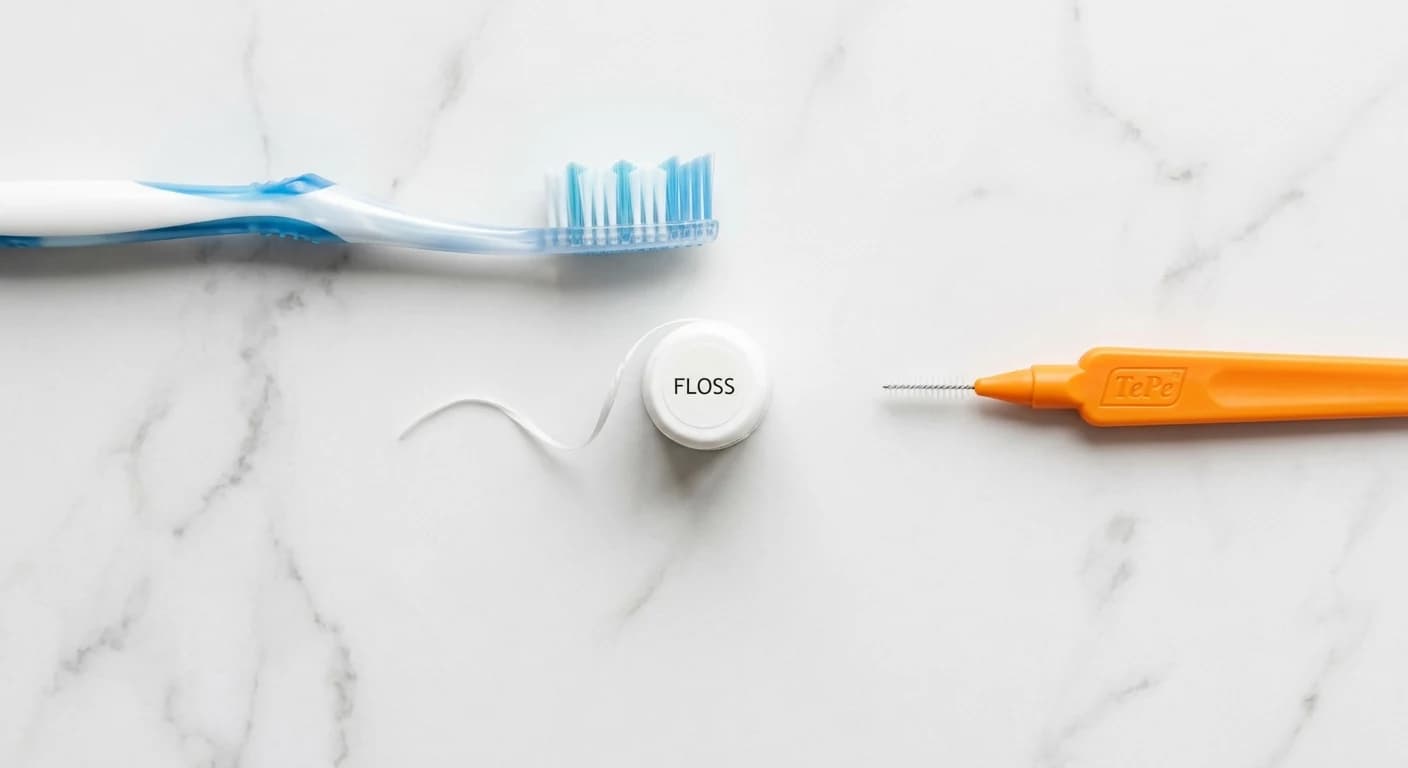
Protecting your implant investment starts with a consistent daily routine. The good news is that caring for implants is very similar to caring for natural teeth:
- Brush twice daily with a soft-bristled or electric toothbrush. Pay special attention to where the crown meets the gum line—this is where bacterial plaque accumulates.
- Floss daily using unwaxed tape floss, an implant-specific floss, or a water flosser. For implant-supported bridges, a floss threader or interdental brush is essential for cleaning beneath the pontic.
- Use an antimicrobial rinse if recommended by your dentist, especially during the first few months after placement when tissues are still maturing.
- Avoid using teeth as tools—do not open packages, bite nails, or chew ice with your implant-supported teeth (or natural teeth, for that matter).
- Wear a nightguard if you grind or clench. Your dentist can fabricate one specifically designed to protect both implants and natural teeth.
Warning Signs to Watch For
Most implant complications are manageable when caught early. Contact your dentist at Meadowbrook Dental Care—or any qualified provider—if you notice any of the following:
- Persistent gum redness or swelling around the implant that does not resolve with improved hygiene within a few days.
- Bleeding when brushing or flossing around the implant site—this can be an early indicator of peri-implant mucositis, a reversible condition if treated promptly.
- Looseness or mobility in the crown or the implant itself. A loose crown often means a simple abutment screw tightening; a mobile post may indicate a more serious issue.
- Pain or discomfort that is new or worsening, especially if accompanied by swelling or pus.
- A change in your bite—feeling like the implant tooth is hitting differently than before.
Early intervention is almost always less invasive and less costly than waiting. A quick evaluation at our Mineola or Plainview office can distinguish between a minor adjustment and a problem that needs targeted treatment.
When Does the Crown Need Replacement?
Even when the implant post remains perfectly healthy, the crown on top will eventually show wear. Common reasons for crown replacement include:
- Chipping or fracture: Porcelain can chip from impact or heavy bruxism forces. Small chips can sometimes be polished smooth; larger fractures require a new crown.
- Wear-through: After 10–15 years of daily use, the biting surface may wear enough to affect function or aesthetics.
- Aesthetic changes: Surrounding natural teeth may shift in color over time, making the implant crown stand out. Replacing the crown to match your current shade restores a seamless appearance.
- Gum recession: If gum tissue recedes around the implant, the metal margin of the abutment may become visible. A new crown with adjusted margins can address this.
Replacing a crown on an existing, healthy implant is a straightforward process—typically two visits for an impression and delivery—and costs significantly less than the original implant placement. Our implant cost guide provides detailed pricing information.
Frequently Asked Questions
Can a dental implant last a lifetime?
The implant post itself can last a lifetime in a healthy patient with good oral hygiene and regular dental visits. The crown on top typically lasts 10–15 years before needing replacement due to normal wear. With one or two crown replacements over the decades, the implant system can serve you for 30+ years.
What is the failure rate for dental implants?
Overall failure rates are low—approximately 2–5% within the first 10 years. Early failures (within the first few months) are usually related to infection or failure to osseointegrate and occur in roughly 1–2% of cases. Late failures are most commonly caused by peri-implantitis and are largely preventable with proper hygiene and maintenance.
Do I need to replace my dental implant every 10 years?
No. The implant post does not have a “replacement schedule.” As long as it remains stable in healthy bone, it stays in place. The crown may need replacement at 10–15 years, but that is a much simpler and less costly procedure than the original implant surgery.
How does smoking affect implant lifespan?
Smoking roughly doubles the risk of implant failure by impairing blood flow, slowing healing, and increasing susceptibility to peri-implantitis. If you smoke, quitting at least two weeks before surgery and remaining tobacco-free afterward gives your implant the best chance at long-term success.
Are dental implants covered by insurance for replacement?
Crown replacement on an existing implant is typically covered under major restorative benefits in dental PPO plans, similar to a crown on a natural tooth. The implant post itself rarely needs replacement. Check with your insurance provider for your specific plan details.
Disclaimer: Individual results vary based on health, habits, and treatment factors. This article is for educational purposes and does not guarantee specific outcomes. Only a licensed dentist can evaluate your candidacy and provide personalized guidance after an exam.
Want to know how long implants could last for you specifically? Call Meadowbrook Dental Care at (516) 284-1234 (Mineola) or (516) 346-5757 (Plainview), or schedule online to book your implant evaluation. We will review your bone health, habits, and goals to give you a realistic picture—right here on Long Island.
Protect Your Implant Investment with Expert Care
Whether you're considering implants or already have them, our team at Meadowbrook Dental Care provides the precise placement and ongoing maintenance that maximizes implant lifespan. Visit us in Mineola or Plainview.